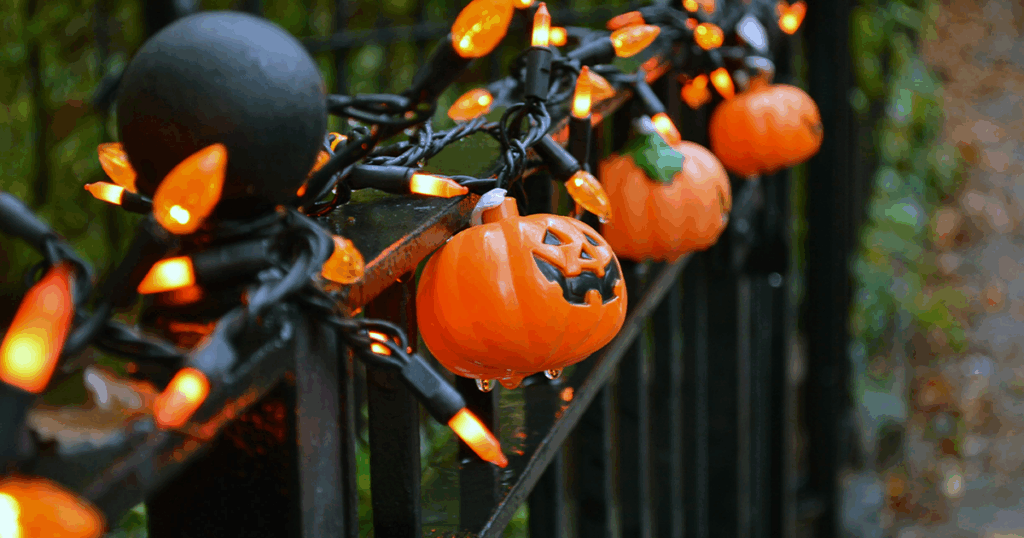
Spanish schoolchildren know October as the month for Halloween, a holiday that seems to grow in importance each year. Even so, Halloween is still an upstart celebration in Spain—not a real, serious occasion like All Saints’ Day on November 1 or All Souls’ Day on November 2. In contrast, children in the States were growing up with Halloween way back in the ’20s. My father, born in 1935, would have been raised celebrating it, as I was a quarter century later.
I imagine that as a child, I would have thought Halloween the high point of the month, though my brother’s birthday the day before would have been a serious contender. My paternal grandmother and uncle were also October-born, as was my father, on the 15th. If I were to construct a list of important October dates now, my father’s would be near the top, jostling the birthdate of my elder son on the day before my dad’s.
In fact, my dad’s birthday outstrips more than just Halloween. Pavarotti, Picasso, Eleanor Roosevelt, and Alfred Nobel—all have October birthdates. For me, his birthday surpasses them all.
All of these birthdates are happy occasions, not like ones you might lament—Genghis Khan’s, for example. That was likely a spring birth, roughly six months before Halloween. Hitler and Oppenheimer came in April (the cruelest month), John Wilkes Booth in May, and Trump in June. But October claims its share of lamentable birthdays, too: Ma Barker, John Gotti, Himmler, Mussolini, Franco, and Putin. So the scales tip—but balance before tipping again.
Everyone must have a birthdate, even killers and lunatics. Besides, without unsavory characters to populate our world, wouldn’t the landscape be all too regular, the pleasures too even and predictable? What pride could we take in a normal life if we hadn’t seen so many examples of spectacularly misguided ones? Likewise, we can’t take credit for virtue without temptation. Soaring hardly counts without an occasional tumble. What bird ever learned to fly without first falling? Eagles with their high eyries—what pleasures would they afford us if we glided alongside them? The pleasures of sharing, perhaps, and of like-mindedness, similarity, accompaniment. But those pleasures, too, must be offset for us to value them. In “Sleeping Beauty,” it is not the abundance of gifts that makes the story interesting but the curse of the wicked fairy, then the luck of the good fairy’s final, mitigating gift, turning death into a sleep of a hundred years. We read on. Is the gift enough for a happy ending?
For my father, the gifts he possessed were plentiful: humor, intelligence, kindness, virtue, and patience. Attentive and loving son, brother, husband, father, and grandfather. I could go on, but this is not a funeral eulogy. This is just a daughter remembering her father.
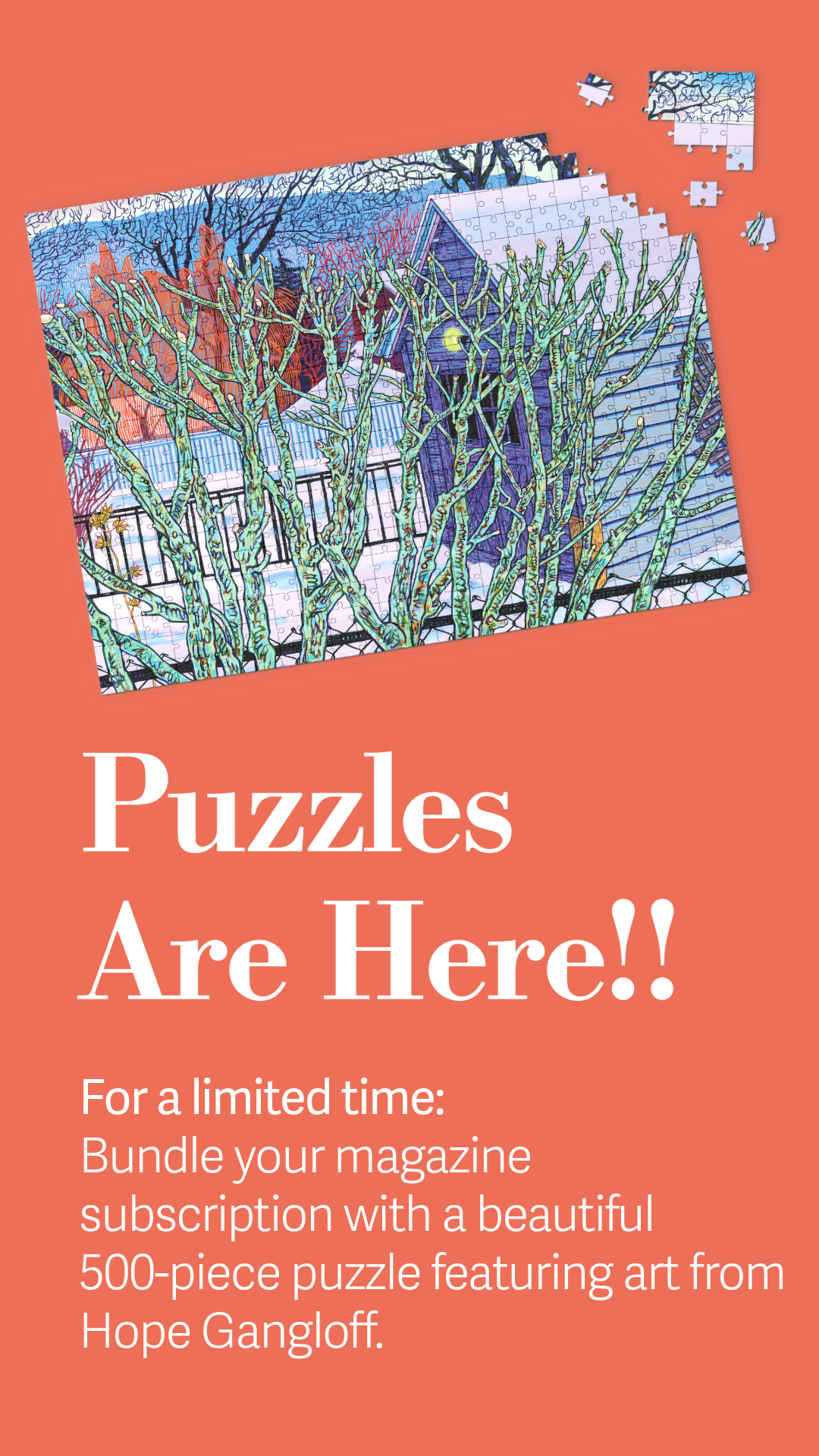
When someone I love behaves badly, I remind myself that all people fit on the strange canvas of life, like pieces of a puzzle snapping into place—the good, the bad, the boastful, the unknown. I loved doing jigsaw puzzles with my father, but he would not likely think the many-splendored pictures we constructed, making use of black, gray, and sordid greeny-browns, could excuse black, gray, or sordid souls. They exist; perhaps they are necessary, but are they wonderful? Logic was another of my father’s gifts, so he would have an answer—more nuanced than the general “all part of the picture” argument I might resort to. He was forgiving but not easily taken in. Life was not a game, not an exercise. But couldn’t it be fun, though! Writing silly poems on presents he gave, punning often, always up for a game of chess or anagrams, testing his skill on the tennis court, unabashedly displaying his dance moves for others’ entertainment. He took serious things seriously, but he was never deadly serious. He was always open in the right ways.
So here I am, on an early fall day—mid-October, to be exact—remembering my father. But “remembrance” feels too formal. Not eulogy, elegy, or ode, either. I’d rather make a toast. (If only he were here to help me compose it.) Better yet—I’d rather have made a toast, back when endings were still happy. So many occasions presented themselves while he was still alive. “To my dad,” I’d have started—then faltered. How to encompass all of him? How to do him justice? “To my dad,” I say, and still I wish I had the right words.