On October 25, a Saturday, I heard helicopters flying overhead as I did my usual morning run up into the hills above the town of La Pola. My route took me close to the village of Valdesoto, where the royal family—King Felipe, Queen Leticia, and their daughters, the Crown Princess Leonor and the Infanta Sofía—would be visiting that day. They were coming to present the Exemplary Town of Asturias Award to the parish, in recognition of the collective effort to preserve and continue ancestral traditions.
One such tradition worth preserving, the royal family might think, is the Spanish monarchy itself. History shows it is far from indispensable. In 1931, when municipal election results meant Spain had turned against the crown, the present king’s great-grandfather, Alfonso XIII, went into exile and the monarchy was abolished. During the Second Republic, the Civil War, and Franco’s long dictatorship, Spain managed without it, while the royal family watched from abroad. Near the end of his life, Franco named as successor Alfonso’s grandson, Juan Carlos; when Juan Carlos became king after Franco’s death in 1975, he restored the monarchy within a democratic constitution, its role now largely symbolic and representative. In a single century, the crown had gone from ruling power to pageantry. What, the family might worry, was next in store?
The monarchy’s collapse did not bring greater self-determination for the people. Alfonso XIII had been a king with constitutionally defined powers shared with parliament, whereas Franco ruled as a dictator with near-absolute authority. For a student of history, all this must be nuanced and fascinating. For me, it seems more like a teeter-totter, factions springing up and dropping back, each trying to keep the upper hand. Or perhaps more like a free-for-all on the football field after a fumble, where control is up for grabs. In either case—playground or playing field—it feels less like a sober contest of governance than a game. For an American growing up with the story of George Washington refusing the crown his troops wanted to bestow on him, a king is not quite a real piece in the game of political jockeying but a silly relic one ought to toss out.
In the United States, however, there is talk again of kings. That talk was answered—and, let us hope, silenced—by the October No Kings protest and its massive turn out. The American people don’t want a monarch. We do well to insist. A king in so many instances is a person brought up in a tradition of royal rights, not noblesse oblige. Take Spain’s king emeritus, Juan Carlos. He did respect the rule of law during the 1981 parliamentary coup attempt—bravo, you might think, though he acted only after it became clear that the coup was failing. But as Lord Acton warned, power corrupts. Juan Carlos’s reign was shadowed by scandals: gifts received and given, women bribed or threatened into silence, and an extravagant lifestyle that included a personal yacht. And that he went on an elephant hunt while serving as honorary president of WWF España, further exposing the gap between his public image and his actions.
In 2014, amid more scandal, Juan Carlos abdicated in favor of his son and heir to the throne, Felipe, the Príncipe de Asturias. Since then, royal scandal has been about members of the royal family other than the new king: his father, the old king; his sister the infanta; one of his brothers-in-law; and even his mother and wife, for their fraught relationship. On the whole, Felipe presents a subdued and discreet figure, and his approval rating is better than the current government’s. No angry insults hurled at him when the people take to the street.
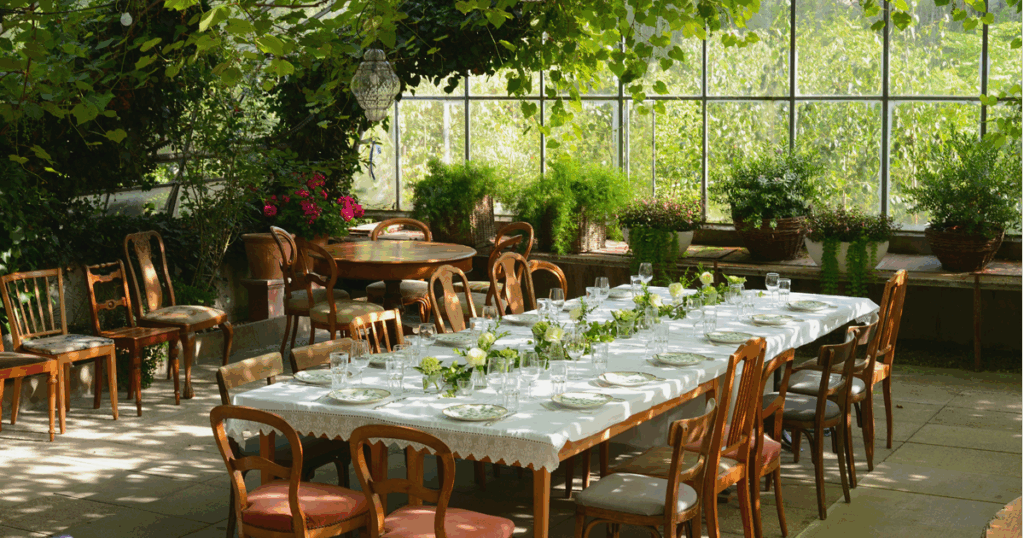
On its visit to Valdesoto, the royal family invited one member from each household to share lunch. Days earlier, a fraudster had gone house-to-house claiming to sell tickets—though none existed, only invitations. Eight hundred guests attended—and paid nothing, a situation that would be unimaginable in the United States. What profit might our current American president have squeezed from the day, I wonder.
No, it is not a king we need to fear, but something worse. Someone who wants to act with absolute freedom and without restraint. Unfettered by law. Kings, in the best fairytale tradition, are benevolent, kind, generous. If only our president would aspire to being a true king, and only a king.