
A Newer Species of Trouble
When the lines between natural and technological disasters become blurred— and ultimately erased
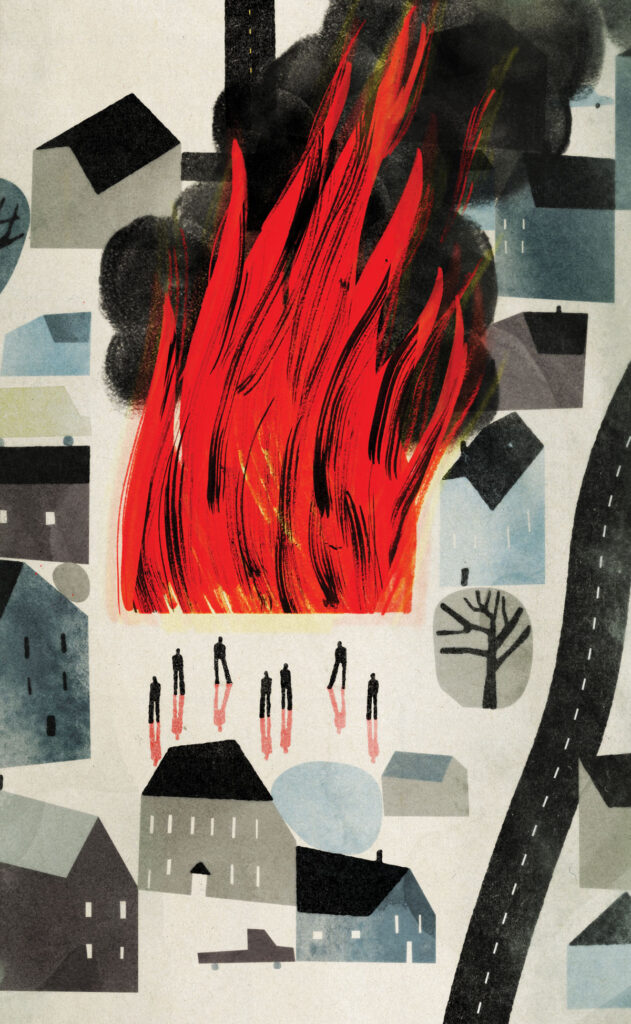
In 1973, Yale sociologist Kai Erikson visited the ruins of several coal-mining towns in Logan County, West Virginia. The previous February, a mountaintop dam full of coal waste had unleashed a flood of toxic sludge, destroying about 550 homes and leaving more than 100 people dead. When Erikson arrived, he encountered “a scene of such heavy, muted pain that I have a hard time finding words to capture it,” he wrote.
After that trip, his field studies took him again and again to communities coping with the aftermath of disaster: a mercury spill in Canada; an underground petroleum leak in Colorado; the nuclear accident at Three Mile Island in Pennsylvania. He collected insights from these visits and distilled them into a slim but seminal book, A New Species of Trouble (1994).
In industrial civilization, Erikson wrote, humans had unwittingly made an unsettling trade. On one hand, we had increasingly buffered ourselves against natural disasters such as wildfires and hurricanes. On the other, the progress that afforded this protection had also yielded something else: the phenomenon of “technological disasters,” which he defined as “everything that can go wrong when systems fail, humans err, designs prove faulty, engines misfire, and so on.” The oil tanker crashes; the dam collapses; the reactor operator slips up. “The first thing to say about this new species of trouble,” he wrote, “is that it is a product of human hands.”
Erikson (who happened to be the son of famed psychoanalyst Erik Erikson) theorized a psychological difference in how humans react to these two types of events. Although natural disasters—or “acts of God,” as they used to be called—could be devastating, people tend to accept them as part of life, an unlucky break. Technological disasters, by contrast, provoke “outrage rather than acceptance or resignation. They generate a feeling that the thing ought not have happened, that someone is at fault.”
In the years since that book was published, we’ve had our share of technological disasters. There was the 2015 leak at a natural gas storage facility in Southern California that released more than 100,000 metric tons of methane and other toxic chemicals over the course of four months; the 2023 train derailment in East Palestine, Ohio, in which cars carrying hazardous substances caught fire, contaminating the surrounding area. These incidents and others would have fit seamlessly into A New Species of Trouble.
But we have also seen another development: The lines between natural and technological disasters have increasingly blurred. The most emblematic catastrophes of the Anthropocene are those in which humanity and nature collide and collude. The tsunami causes a nuclear meltdown; radiation contaminates the soil. Climate change intensifies the drought; the drought abets the arsonist.
This newer species of trouble was epitomized by the Los Angeles fires of last year, when a mélange of natural and unnatural forces produced one of the most shocking and costly calamities in American history.
Login to view the full article
Need to register?
Already a subscriber through The American Scholar?
Are you a Phi Beta Kappa sustaining member?
Register here
Want to subscribe?
Print subscribers get access to our entire website Subscribe here
You can also just subscribe to our website for $9.99. Subscribe here

true