Dawn of the Brain-Dead
Carl Elliott on the ethical implications of going beyond organ transplantation
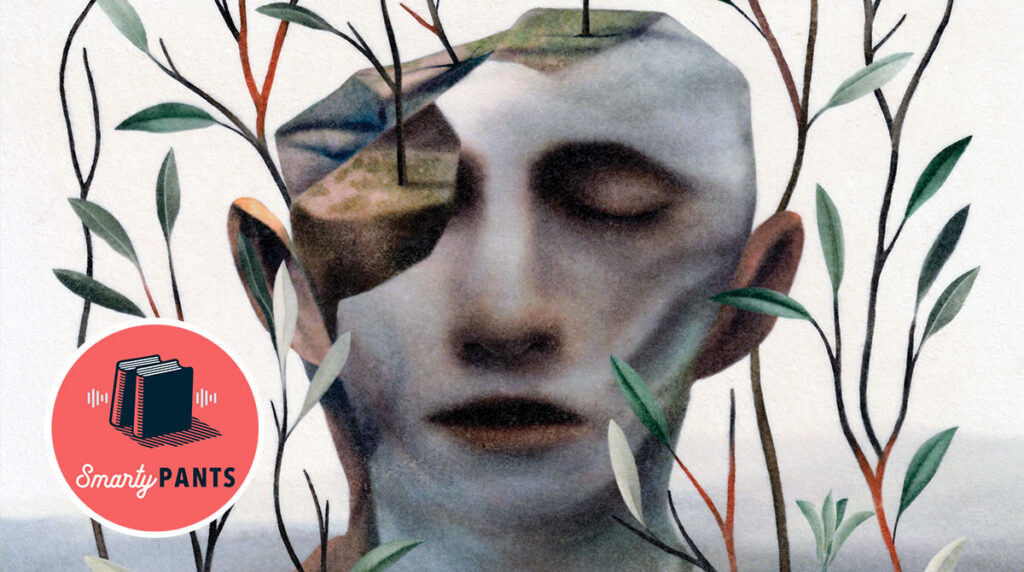
Though the line between the living and the dead might seem at first obvious, the medical state of brain death invites complex moral questions, as bioethicist Carl Elliott writes in our Autumn issue. Organ transplantation regularly occurs in brain-dead individuals, but why stop there? Why not, as Willard Gaylin asked in 1974, keep brain-dead subjects—which Gaylin terms “neomorts”—on life support in specialized “bioemporiums” for use in medical training or drug trials? Though one’s first reaction might be a visceral “yuck,” this commodification of the body is simply an unvarnished version of what many “organ procurement organizations” regularly do in disguising their gruesome work with sanitized language. Revisiting Gaylin’s proposal, Elliott ventures deep into the world of tissue harvesting, cultural psychology experiments, and even etymology to question our assumptions about the degradation and altruism, donation and commodity, spectacle and science.
Carl Elliott teaches philosophy and bioethics at the University of Minnesota. His most recent book is The Occasional Human Sacrifice: Medical Experimentation and the Price of Saying No.
Go beyond the episode:
- Read Carl Elliott’s essay “Welcome to the Bioemporium”
- And its inspiration: Willard Gaylin’s “Harvesting the Dead” from 1974
- For a real tangent, check out work by the founder of the Minnesota Association of Rogue Taxidermists
Tune in every other week to catch interviews with the liveliest voices from literature, the arts, sciences, history, and public affairs; reports on cutting-edge works in progress; long-form narratives; and compelling excerpts from new books. Hosted by Stephanie Bastek.
Subscribe: iTunes/Apple • Amazon • Google • Acast • Pandora
Have suggestions for projects you’d like us to catch up on, or writers you want to hear from? Send us a note: podcast [at] theamericanscholar [dot] org. And rate us on iTunes!